Crookston Castle, ultimately dates from 12th century and one of the few castles within range of Glasgow.
Introduction
This evening, I am reporting on Crookston Castle. This is a a medieval edifice which now sits, somewhat incongruously, in a medium-density residential housing area in the Pollok area of S.W. Glasgow.
Crookston Castle in winter

Summary chronology of Crookston Castle
- Around 1190 a wooden Motte and Bailey structure surrounded by a dry moat was built by a Norman named Robert de Croc whose surname was corrupted to Crookston .
- Transformed in 14th century from wood to stone by Sir John Stewart with funds raised by ransoms obtained from a successful military adventure in France.
- Subjected to a siege in 1489 by King James IV in context of a dispute with the holder, Earl of Lennox. Siege lasted one day.
- Subjected to another siege in 1544 when Regent Arran successfully sought and obtained surrender from the troublesome Lennoxes.
- In hands of Darnley’s by 1565 when home of Henry, Lord Darnley who married Mary, Queen of Scots in July 1565.
- After Darnley’s assassination in 1567 the castle passed down minor lines of the Stewart clan but was a ruin by the 18th century.
- First property acquired by heritage organisation,The National Trust For Scotland. Open all year round.
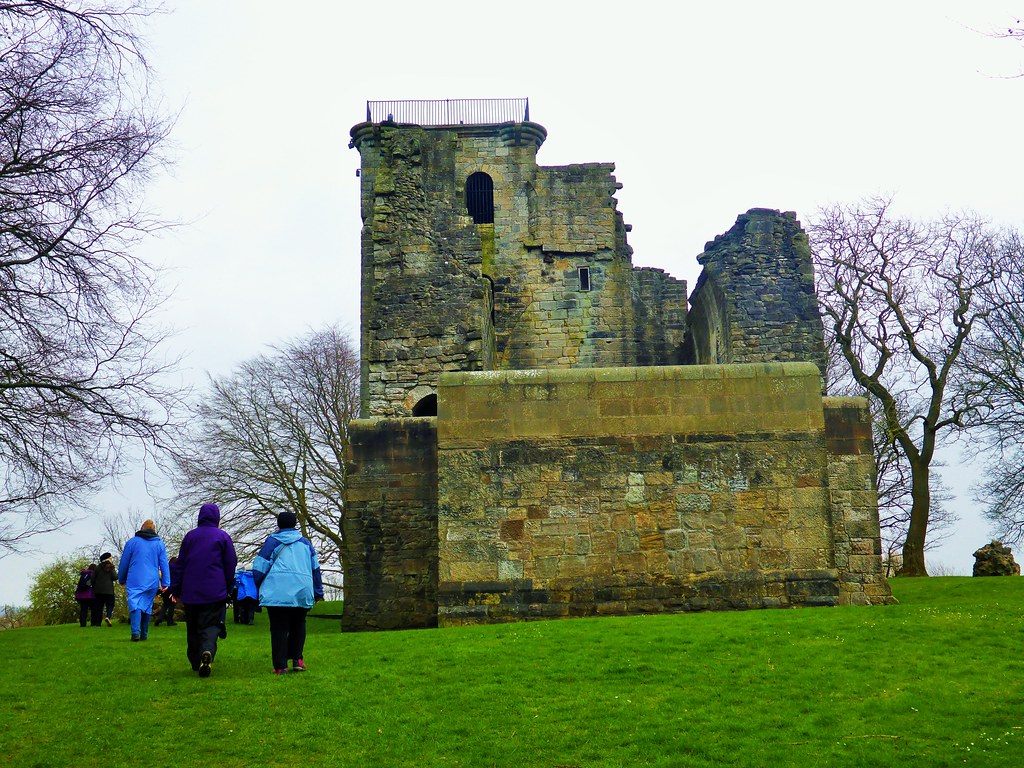
Hikers approaching Crookston Castle
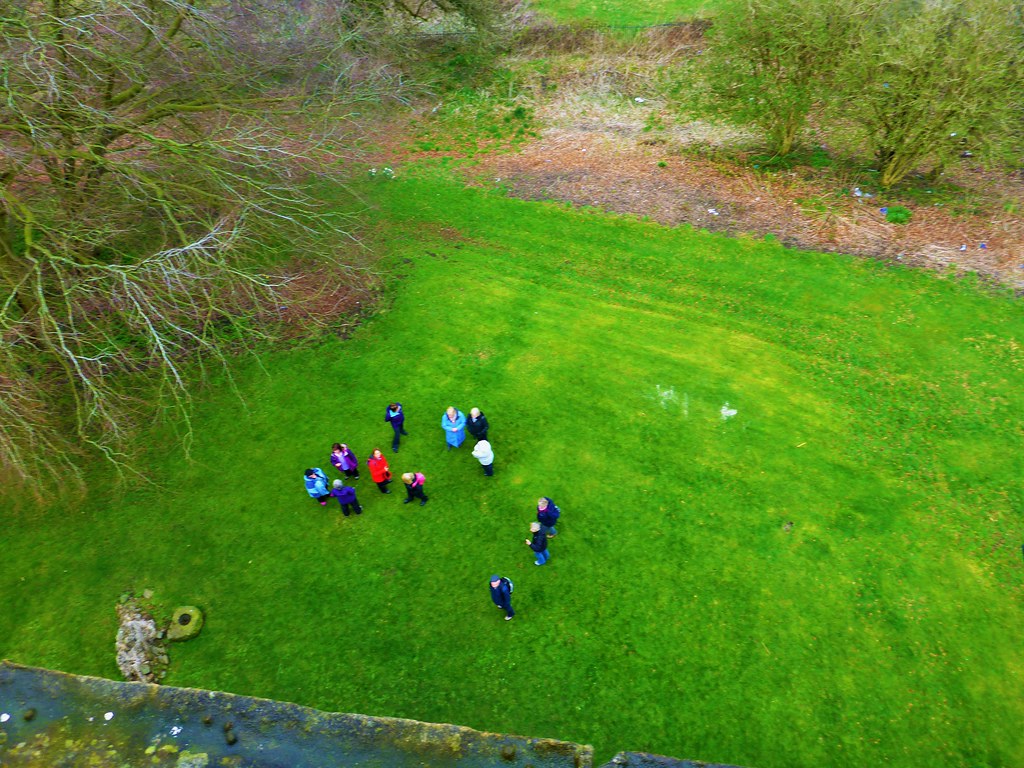
Bird’s-eye view from top of Crookston Castle
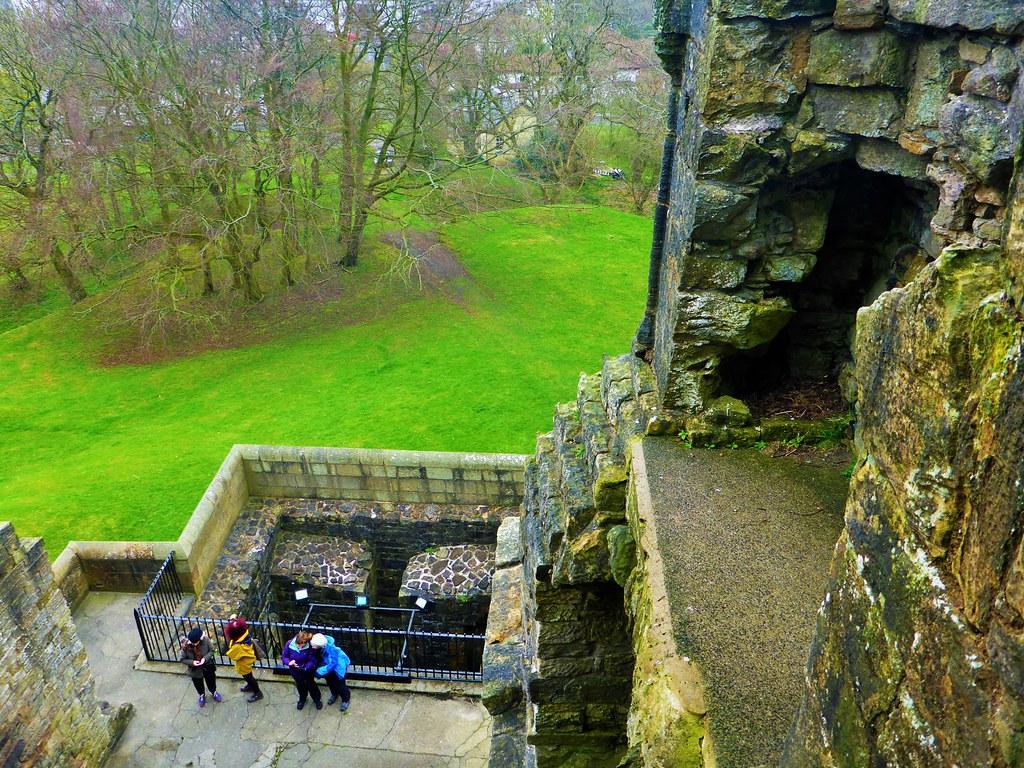
View from top of Crookston Castle
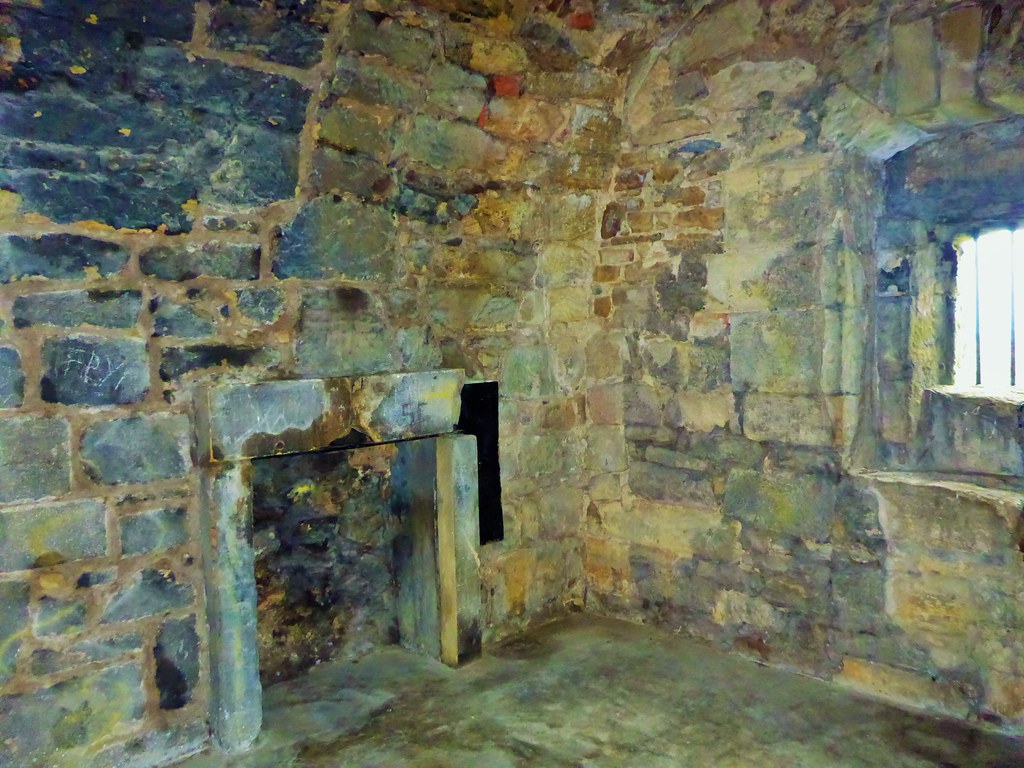
Room with fireplace at Crookston Castle
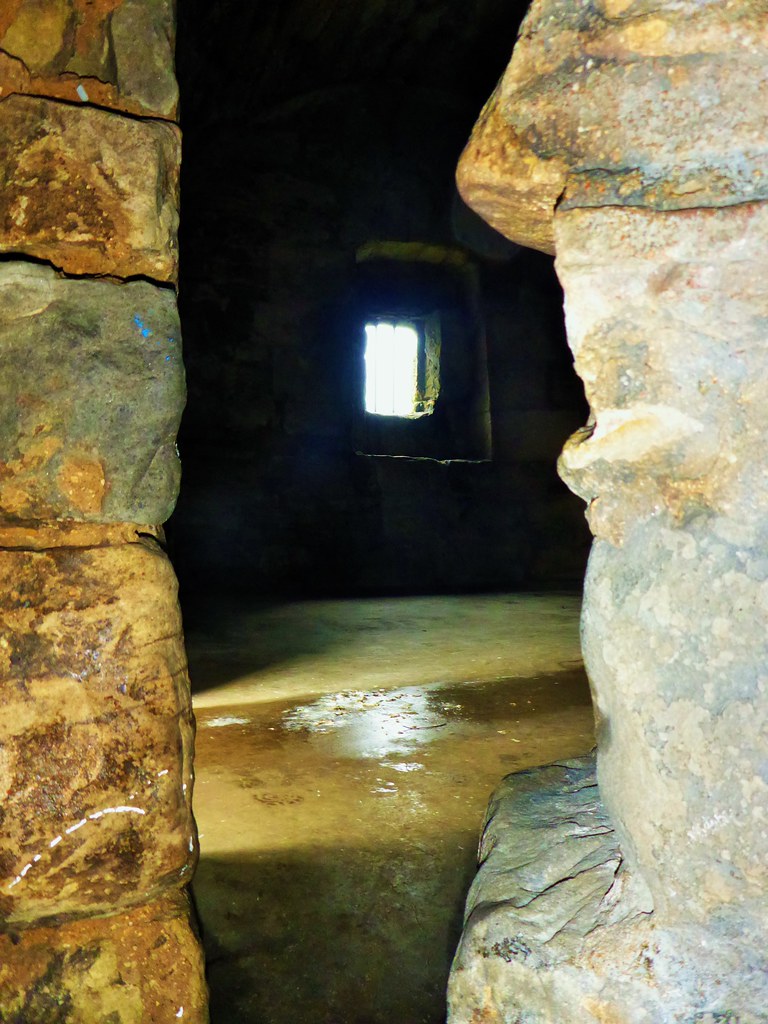
Thick stone interior walls at Crookston Castle
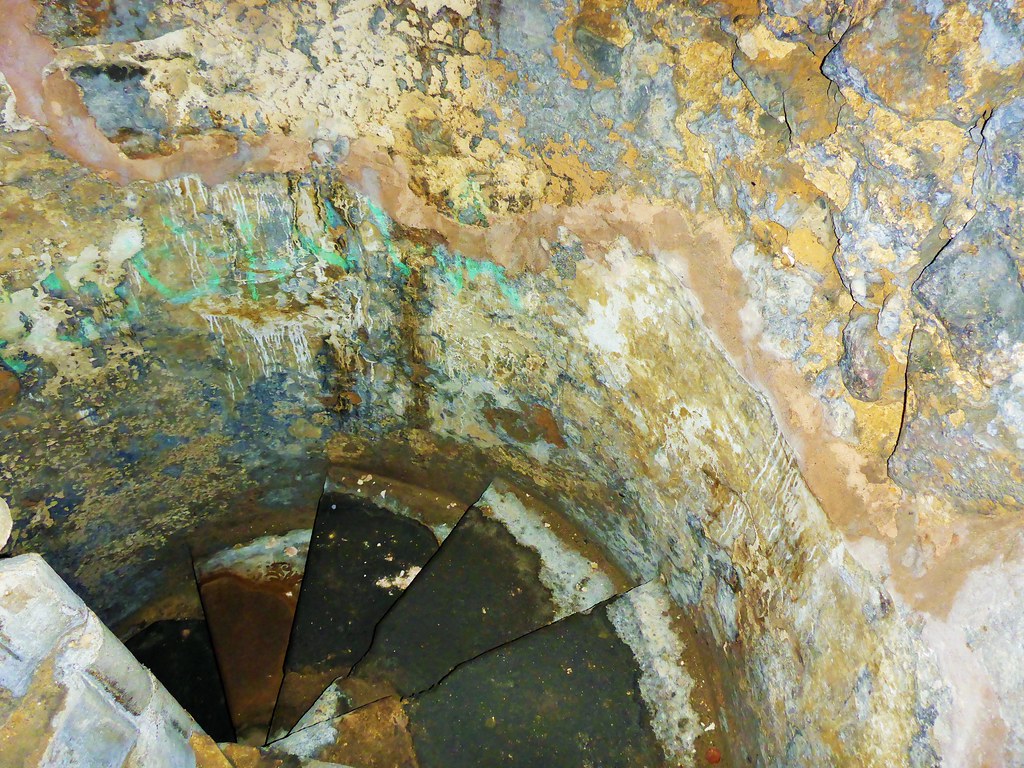
Anti-Clockwise stairs at Crookston Castle, Glasgow
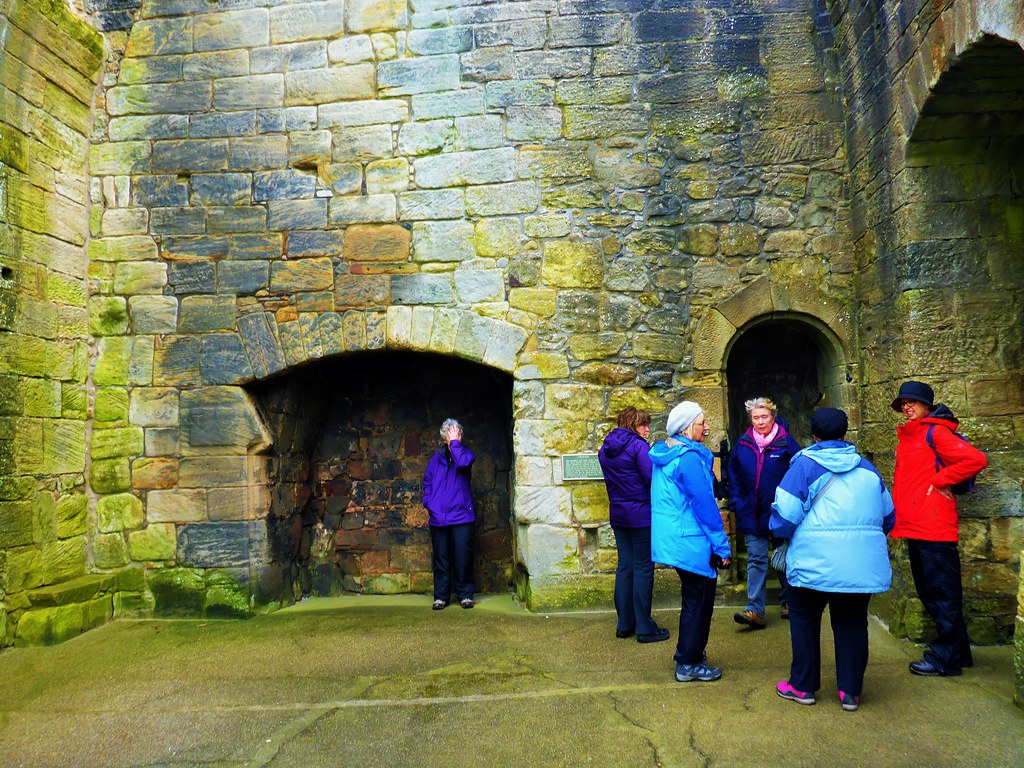
Great Fireplace inside Crookston Castle
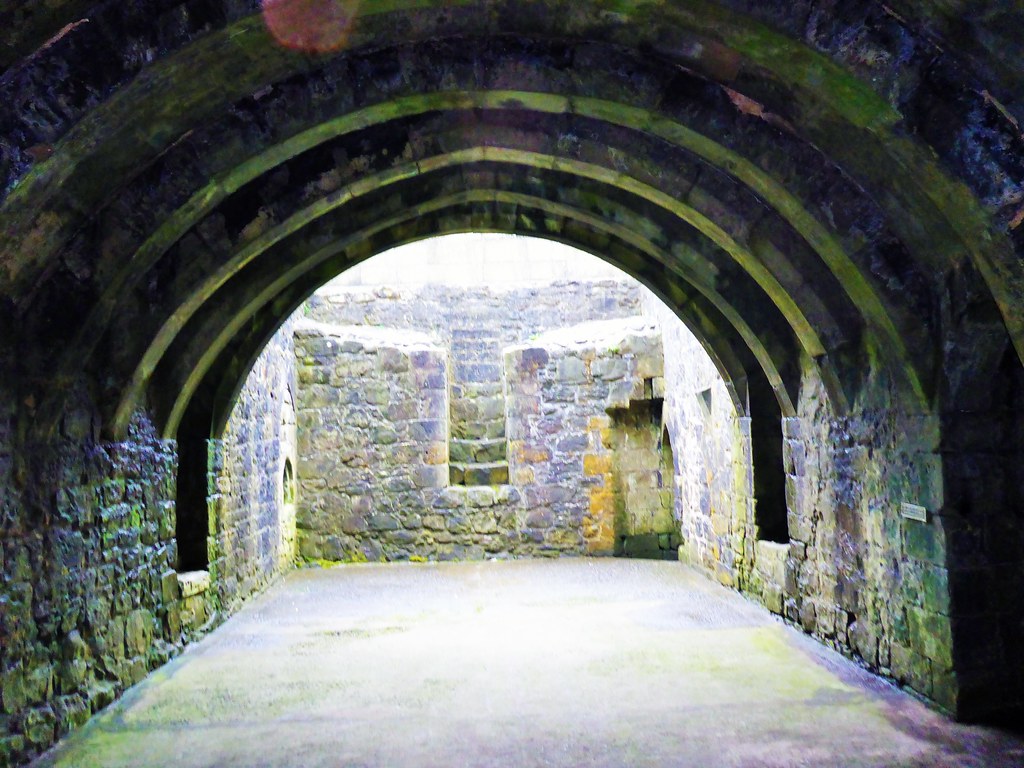
Barrel-Vaulted interior of Crookston Castle
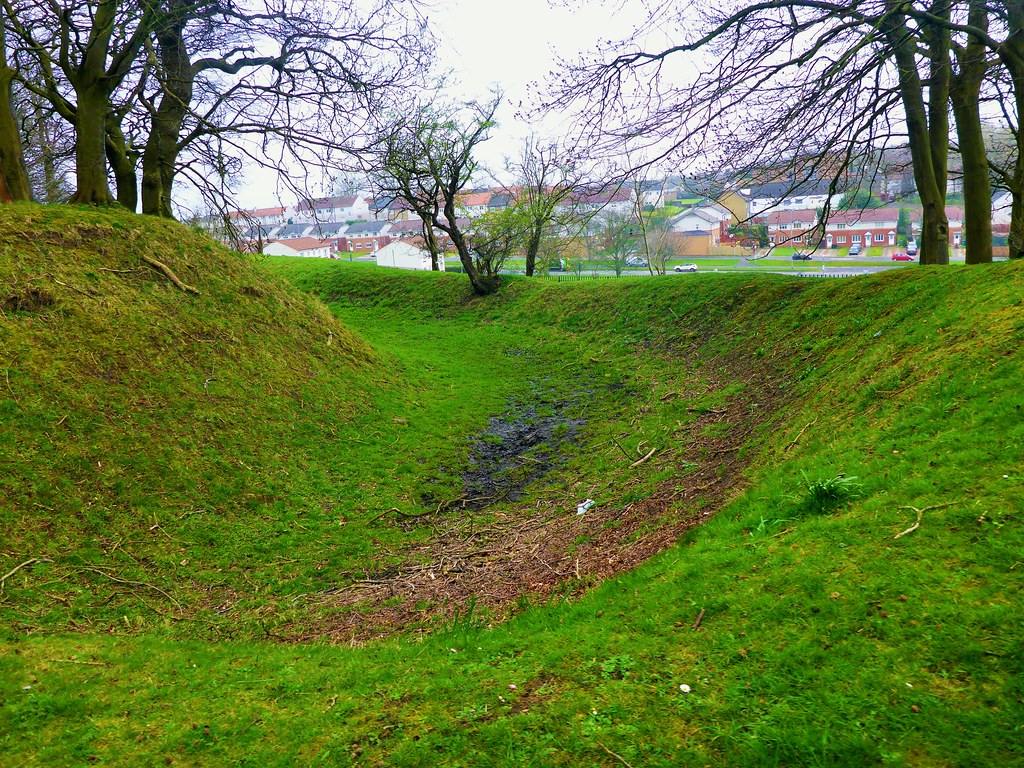
12th century earthworks, Crookston Castle
More information
The publication Visitors’ Guide to Scotland includes sections on activities, sightseeing, castles, islands, wildlife, prehistory and much more. ISBN is 978-1-9161 332-0-4. Also available via Kindle..



Comments
Post a Comment