Castlemilk Stables, Glasgow: Extensive links with Scotland's History
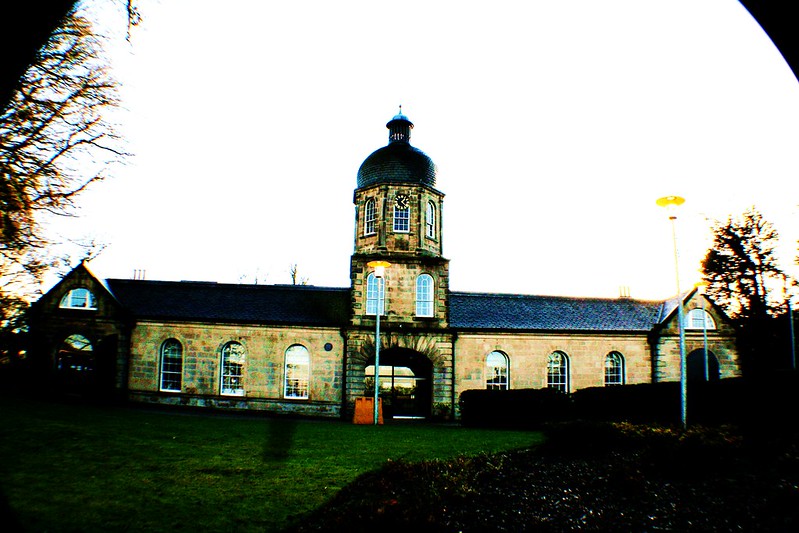
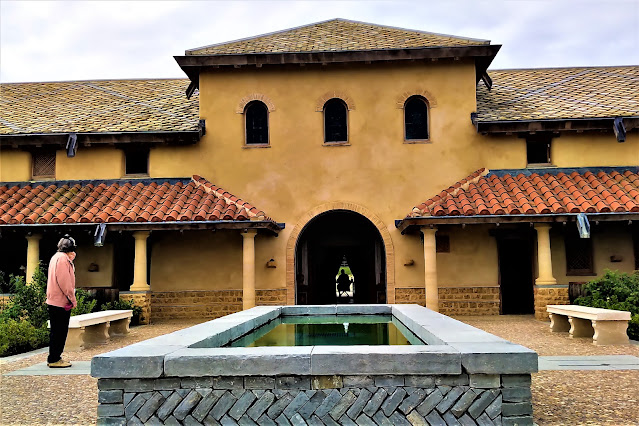
This evening, I am posting information on a restored stables block from 1800. This sits, somewhat incongruously, in a high density, 1950s era, social housing development in Castlemilk, South Glasgow.
Information on Castlemilk Stables
Incredibly, this building provides multi-faceted links with Scotland’s past. Such links include Scottish Borders region, the Royal House of Stuart, Siege of Orleans (France) 1429, Mary Queen of Scots (1542-1587), David Hamilton (famous architect) and the Battle of Langside 1568.
Summary information as follows:
- Named after Castlemilk in Dumfries-shire in the Scottish Borders region from whence the Stuarts of Castlemilk originated. This family was connected with the Scottish Royal House of Stuart and acquired lands in Glasgow from around 1474.
- Two members of the Stuart family fought in France against the English in the 15th century. This military service is commemorated in a carving (below) over a fireplace which was rescued from Castlemilk House and transferred to the Stable Block. The scene depicts the Siege of Orleans, 1429.
- Castlemilk House (which the stable block served) had its origins as fortified tower in medieval times and was progressively evolved into a grand mansion during the Victorian era. The property was acquired by Glasgow Corporation ( Council) in 1938 and demolished to make way for new housing in 1969.
- The Stables Block dates from 1800 and is attributed to leading Scottish architect, David Hamilton (1768-1843). Hamilton also designed a number of important public buildings in Glasgow.
- Mary, Queen of Scots is believed to have stayed at Castlemilk Castle on the eve of the Battle of Langside in 1568.
Whilst the Stables Block escaped demolition it deteriorated into a poor state of repair. However, funds were raised for restoration, a project which was completed in 2007. The building is now a base for social enterprises and community uses. Adjacent to the building are excellent woodlands which were once part of the historic Stuart estate.
The building is open to visitors-subject to prior arrangement.
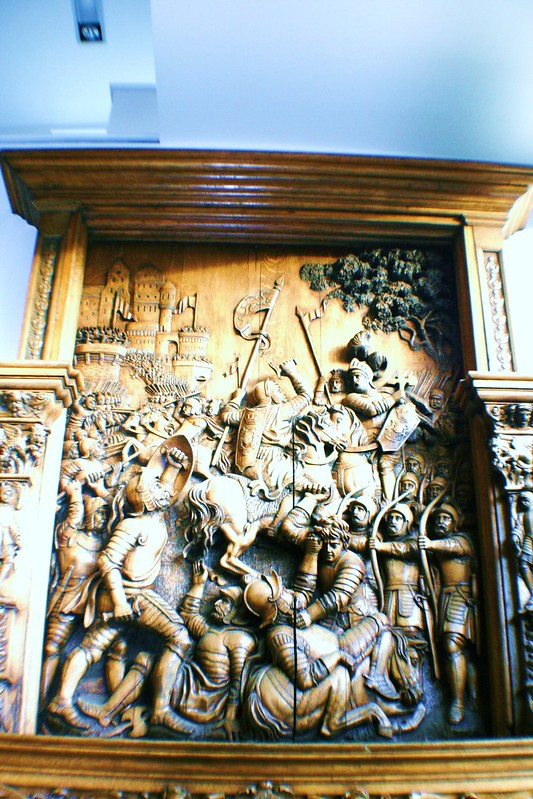
Detail from Fireplace at Castlemilk Stables, Glasgow, Scotland
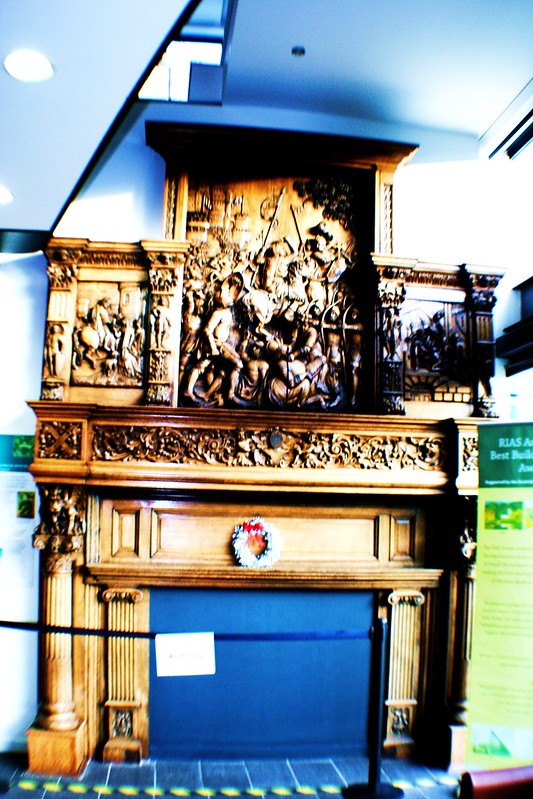
Fireplace from Castlemilk House, Glasgow, Scotland

Stables Courtyard, Castlemilk, Glasgow, Scotland
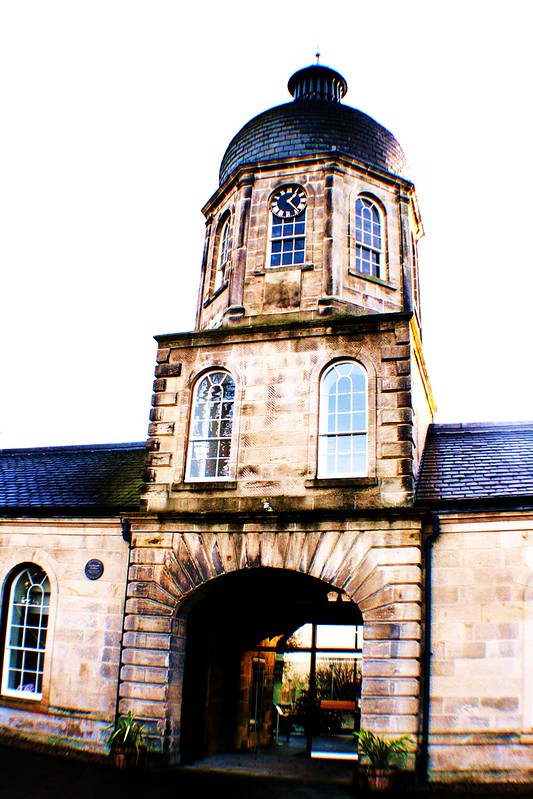
Clock Tower at Castlemilk Stables, Glasgow, Scotland


Comments
Post a Comment